
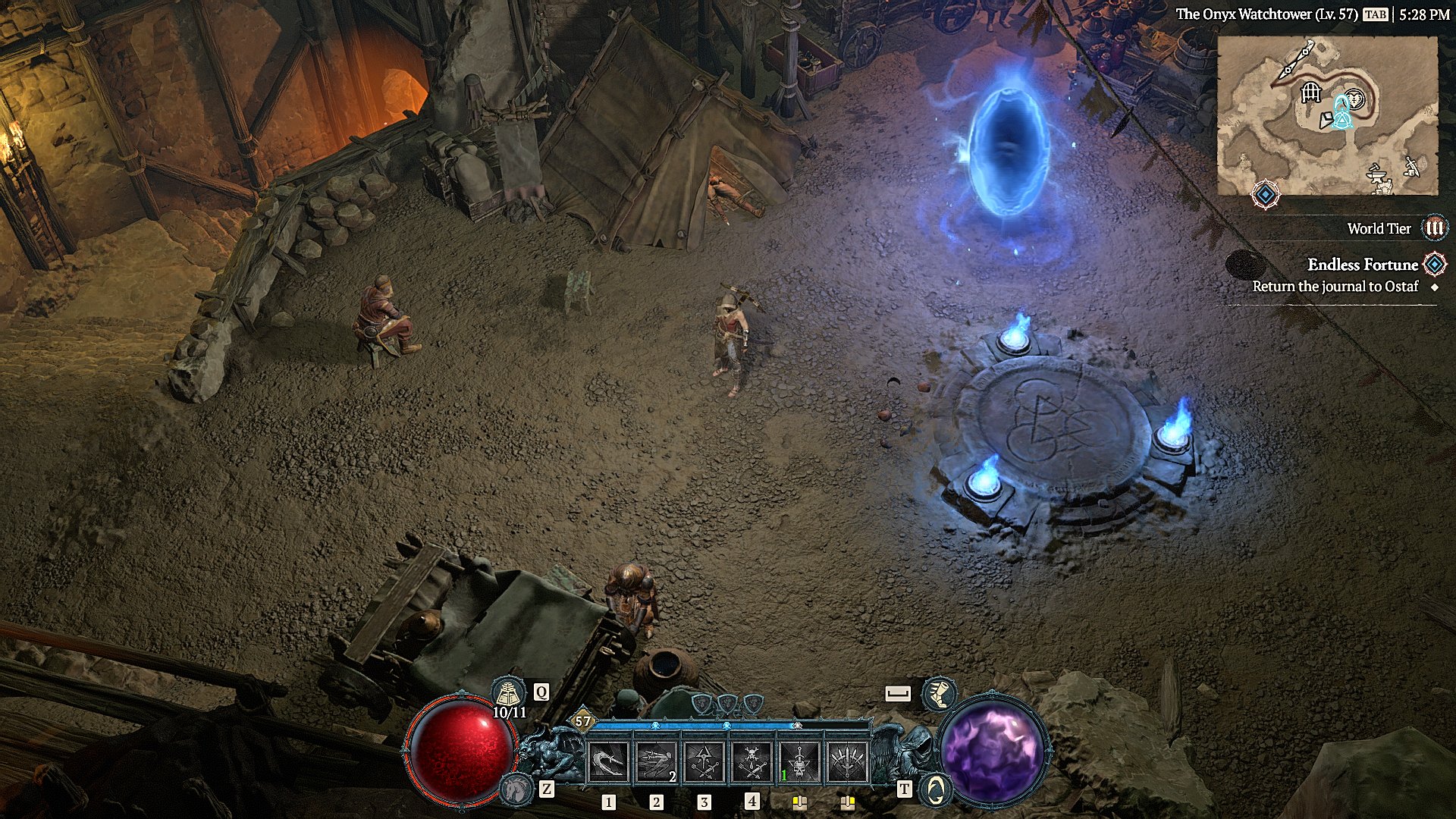
Why Party Play Changes Everything in Sanctuary
Diablo 4 can be played alone from the first cutscene to the last Torment run, but it is quietly designed around other people. Public events, world bosses, Helltide chests and dungeon runs all feel different when a party is present. Monsters scale, loot drops multiply in value through shared effort, and a coordinated group can clear content that would flatten a solo player of the same level.
This article looks at how roles work in a Diablo 4 party, what bosses and Nightmare dungeons expect from each member, and how outside assistance fits into that picture. We will also look at where a diablo 4 boost can speed you toward group content and where it can leave you struggling once you arrive. Third-party services carry account risk and Blizzard’s terms apply, so treat this as a map and not a recommendation.
Understanding Roles Without a Classic Trinity
Unlike traditional MMOs, Diablo 4 has no strict tank, healer and damage trio. Roles emerge from how builds behave. A Barbarian with strong fortify and crowd control can pull enemies into position. A Druid or Necromancer can stack defensive layers and summon allies to absorb hits. A Sorcerer brings burst damage and area control. Rogues contribute high single target output and mobility. A Spiritborn adds its own spirit guardian flavour and fast movement.
Because the roles are fluid, the best parties talk about what each member is doing before they begin. Who handles adds? Who focuses the elite? Who carries utility such as slows, shields, or resource generation? Even in a casual group, a thirty second conversation prevents the common scenario where four players all chase damage and nobody keeps the group alive.
Bosses and Dungeons: What Each Role Handles
Boss encounters reward positioning and patience. Many bosses use telegraphed attacks, area denial and phases where adds appear. A player with good mobility can bait mechanics, while a sturdier teammate holds the centre. In Nightmare dungeons, affixes add extra pressure, such as environmental hazards or empowered enemies, which makes preparation more important than raw damage.
A strong party shares responsibilities. One member might clear trash quickly to keep momentum, another prepares for the boss with cooldowns saved, and a third keeps an eye on resource and defensive uptime. When everyone is aware of their job, even a modest group can clear content comfortably at a difficulty that would frustrate an uncoordinated team.
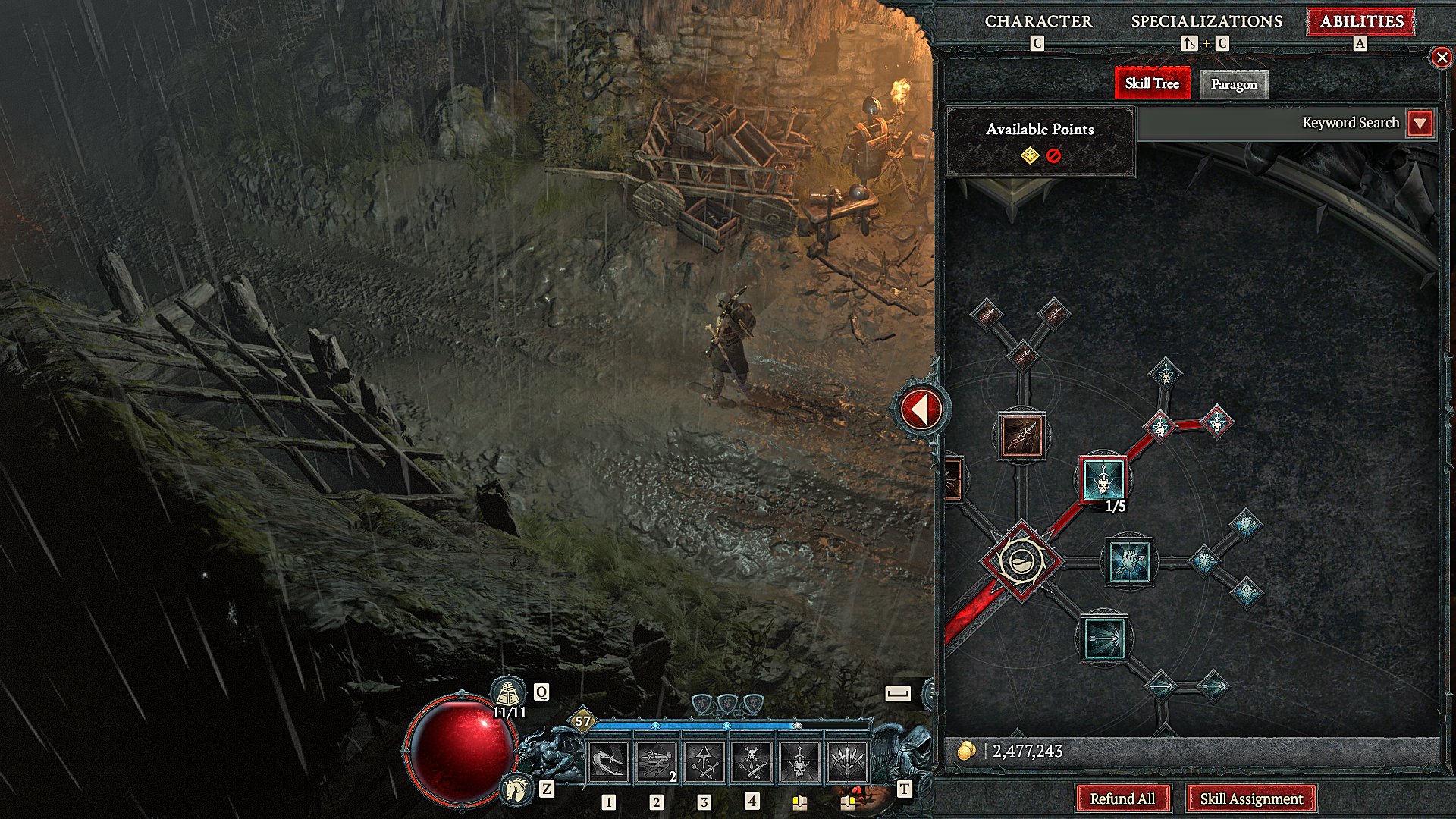
How Torment Difficulty Reshapes Group Dynamics
As you climb through the Torment tiers, enemy health and damage increase, and mistakes become costly. At that stage, party composition matters more than it did during the campaign. A member who is underpowered becomes a target, and one fatal mechanic can wipe the entire group. This is where the question of progression speed becomes social: you are not only deciding how quickly you want to level but also how ready you will be when friends invite you.
It is common for friend groups to drift apart in level because of different schedules. One player reaches endgame while another is still finishing the campaign. That gap is often the reason people start researching outside help, hoping to catch up before the next season launch or a weekend group night.
Where a Diablo 4 Boost Can Help
There are honest use cases. If you want to diablo 4 boost, a sensible goal would be bringing a character up to a level where you can join friends without slowing them down. Another is clearing a gated milestone so you can access content already enjoyed by your group. In these cases the service is solving a scheduling problem rather than replacing the game.
The benefit is highest when you already know your class. A player who has leveled several characters in previous seasons can usually step into a prepared character with confidence, because they understand cooldowns, resource loops and defensive tools. For that player, skipping the early hours saves time without sacrificing competence in a party.
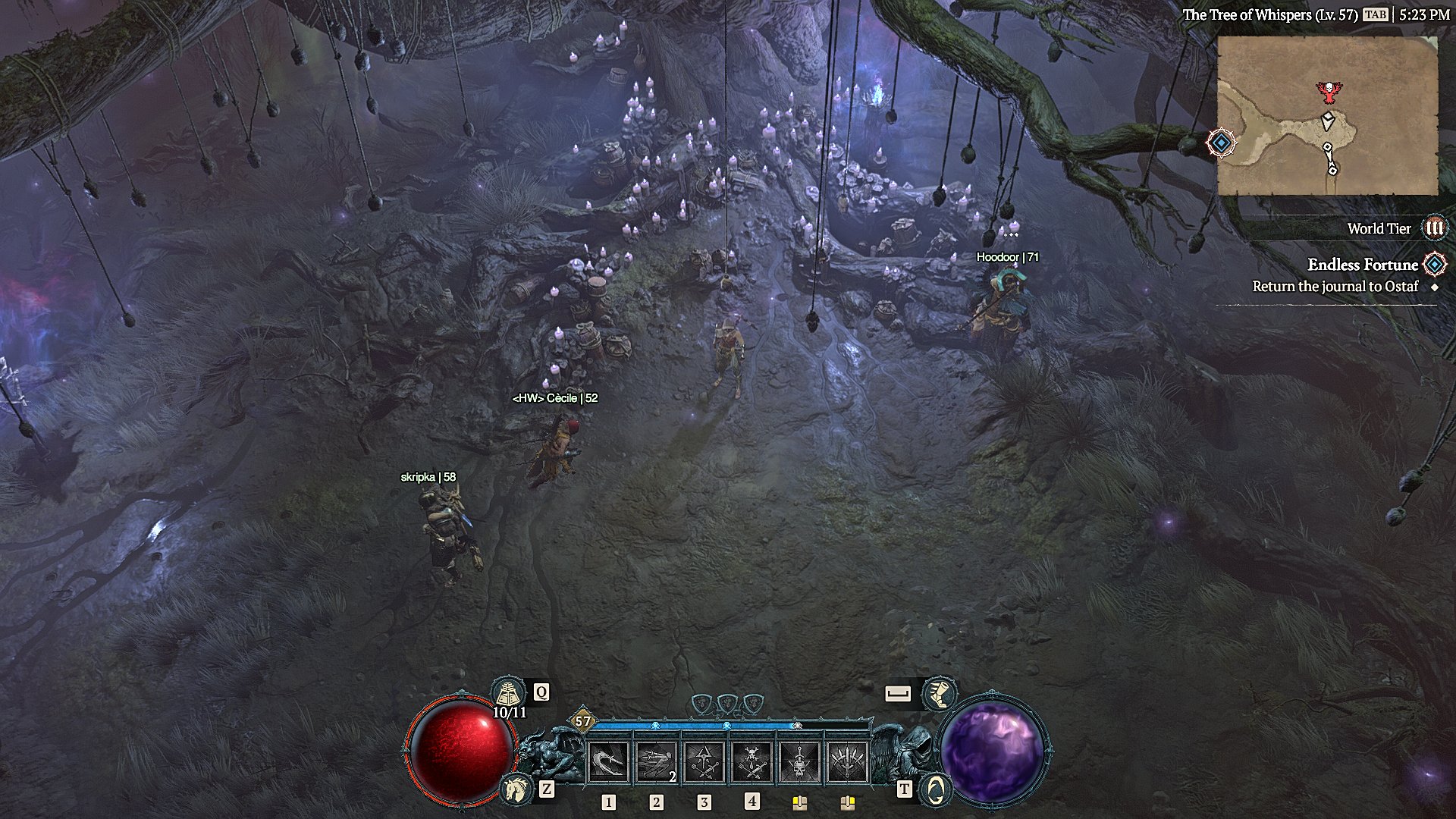
Where It Can Hurt Your Party
The risk is arriving at group content without the muscle memory. Dungeons and bosses punish players who do not know their own skills. If you join a Nightmare run with a build you have never really played, you may misuse your defensive cooldown, step into avoidable damage, or fail to contribute what the group expects from your role. Teammates notice quickly, and a frustrating run can sour a friendship faster than a slow levelling session ever would.
There is also the matter of expectations. Friends might assume you have the knowledge that normally comes with the gear and level you display. Be honest with them if you are new to a build. Most players are willing to explain mechanics when asked, and a short briefing before a boss attempt often saves many wipes.
Communication Habits That Make Groups Work
Good parties are rarely the ones with the highest numbers. They are the ones that communicate. Use pings and short chat messages to call out dangerous phases, announce when you are low on resources, and say when you are stepping away. Agree on a loot approach beforehand so nobody feels shortchanged, and be patient with a teammate who is learning a boss for the first time.
A friendly attitude also keeps groups together over a long season. Players who feel welcome return, share tips and invite others, and that steady social loop is often the best progression system Sanctuary has to offer.
Account Safety and Terms to Remember
Whatever your reason, understand the risk. Blizzard’s terms of service limit account sharing and unauthorized services, and enforcement is entirely at the publisher’s discretion. A third-party provider cannot protect your account from consequences, and no service can promise otherwise. If something goes wrong, you carry the cost.
Protect yourself by using strong unique passwords, enabling two factor authentication, avoiding any request to install software, and reading the current terms for yourself. If any part of the arrangement feels unclear, that is a good reason to pause. A group night is not worth losing a character you spent years building.
Practical Ways to Catch Up Without Outside Help
If your main goal is joining friends, ask them about group friendly activities. Many players are happy to run lower tier dungeons with you, which gives experience and loot while you learn your role. Helltide events are another social option, because multiple players working the same area can generate materials and chests quickly.
Spend a little time on your build before the group night. Read a trusted guide, practise your key skills on weaker enemies, and learn the main boss mechanics through a video. A prepared player who is a few levels behind is often more valuable than a stronger one who is uncertain. Roles in Diablo 4 are built from understanding, and understanding comes from playing, asking questions and enjoying the time spent together in Sanctuary.

Greetings! I’m Ana Hicks, a visionary gaming journalist with a fiery spirit. For me, gaming is more than just a hobby; it’s an art form that intertwines storytelling, technology, and boundless creativity. As I journey through virtual landscapes, I unlock the secrets of immersive gameplay and reveal the intricate threads that connect gamers across the globe. Through my words, I aim to ignite your imagination, transport you to new realms, and inspire you to explore the endless possibilities of the gaming universe. Join me on this exhilarating quest as we redefine what it means to be a gamer.
Leave a Reply