
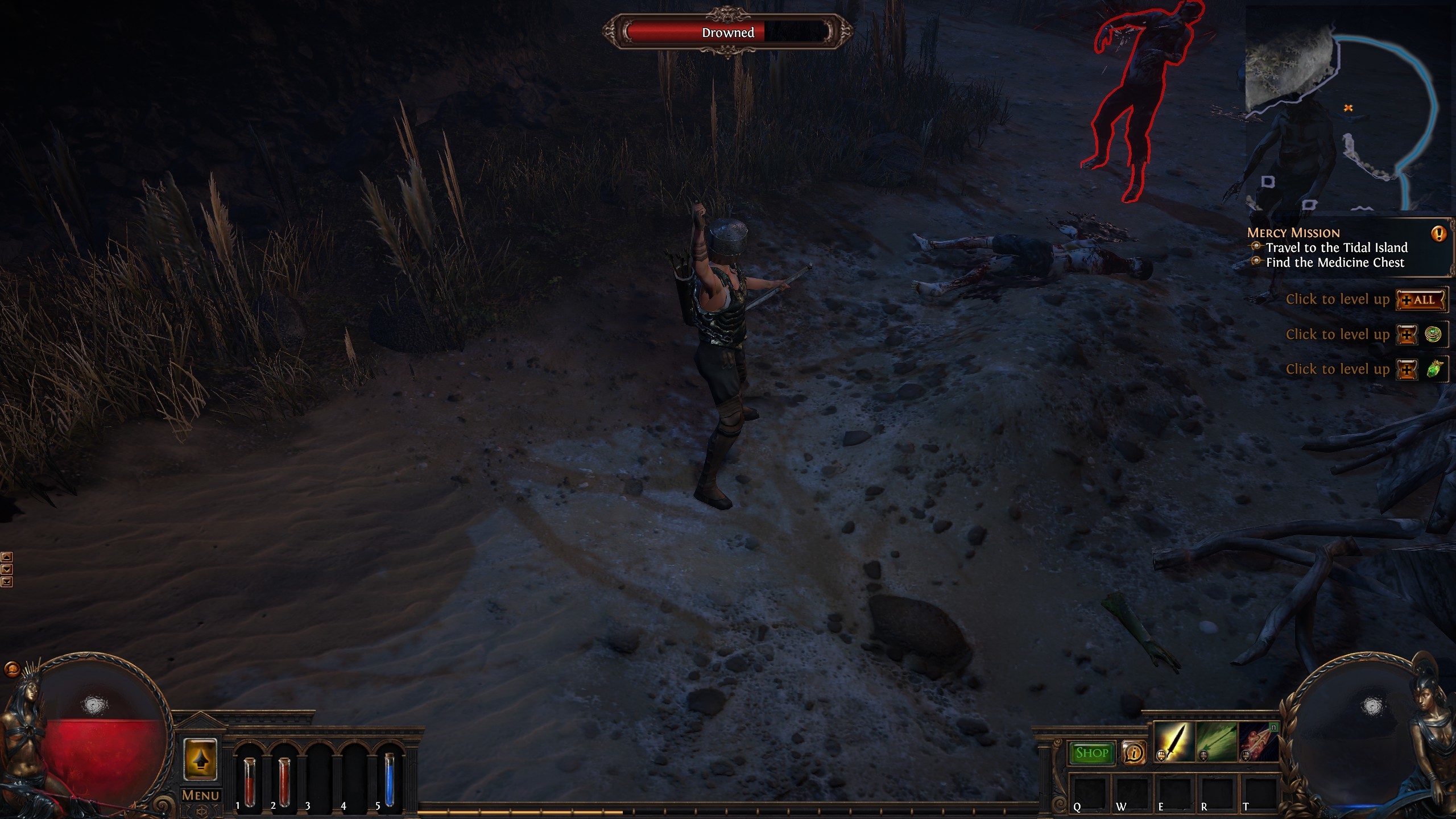
Defensive play in :contentReference[oaicite:2]{index=2} is no longer a secondary consideration reserved for cautious players. It has become a core requirement embedded into encounter design, pacing, and progression. Where previous systems allowed offense to compensate for fragile defenses, the sequel consistently tests survivability through layered pressure and sustained danger. Players are expected to mitigate damage, manage positioning, and recover intelligently. Defensive play is no longer optional optimization; it is a baseline expectation that shapes every build and decision.
Why Pure Offense No Longer Suffices
In Path of Exile Two, enemies apply pressure over time rather than relying solely on burst damage. This sustained threat exposes builds that prioritize offense without adequate mitigation. High damage output may shorten encounters, but it no longer guarantees safety. Players who neglect defenses experience repeated failure, not because damage is insufficient, but because survival windows are too narrow. The game enforces balance by designing encounters that cannot be skipped or rushed through damage alone.
Defenses as Active Systems
Defensive play is reframed as an active process rather than passive stat stacking. Movement, positioning, and timing function alongside mitigation and recovery. Players must engage with defensive systems intentionally, choosing when to advance, retreat, or absorb damage. This activity creates a sense of agency, as survival becomes a result of choices rather than luck. Defensive play thus becomes a skill to be practiced, not merely a number to be optimized.
Build Planning Under New Expectations
The requirement for defense reshapes build planning from the ground up. Players must consider survivability early, integrating layers of mitigation rather than adding them reactively after failure. This planning encourages balanced builds that trade peak damage for consistency. While this may feel restrictive to some, it results in more reliable progression and fewer sudden collapses. Defensive considerations become part of identity rather than compromise.
Core Defensive Expectations in Path of Exile Two
Defensive play in the sequel is supported by several interconnected expectations that players must meet to progress comfortably.
- Multiple layers of damage mitigation rather than a single solution
- Intentional positioning to reduce incoming pressure
- Reliable recovery to survive sustained encounters
- Awareness of environmental and enemy-based threats
These expectations ensure that defense is woven into moment-to-moment gameplay rather than treated as an afterthought.
Long-Term Benefits of Mandatory Defense
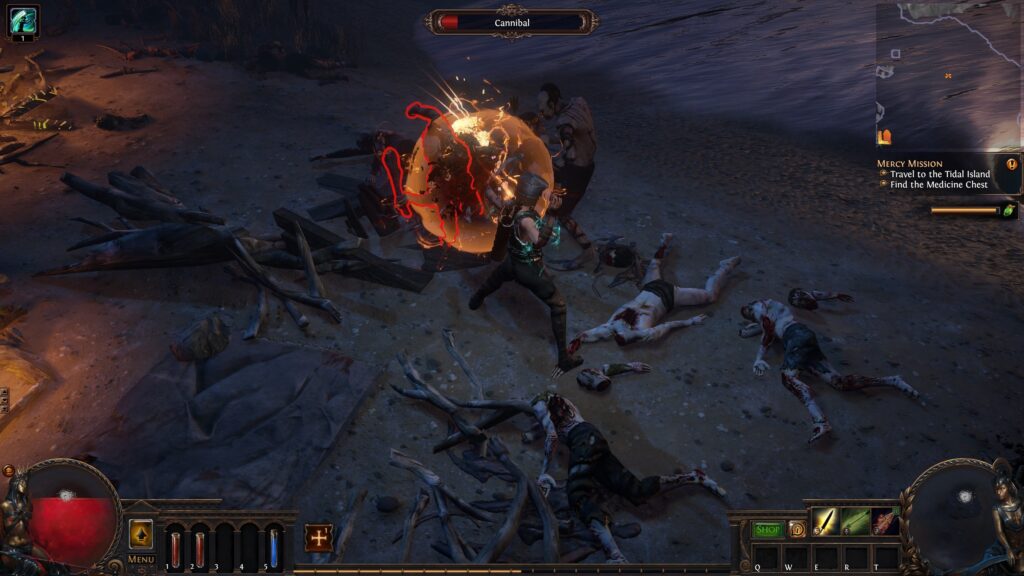
While demanding, the emphasis on defense produces long-term benefits. Players develop calmer decision-making, improved spatial awareness, and greater confidence in difficult encounters. Progress feels more stable, reducing frustration and burnout. By enforcing defensive play, Path of Exile Two encourages sustainable mastery instead of volatile power spikes.
Conclusion
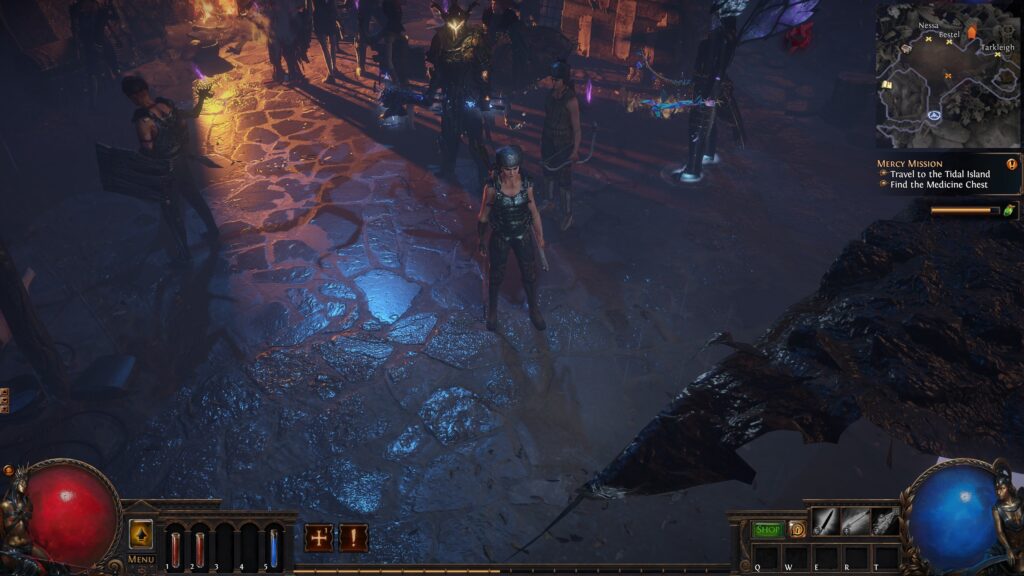
Defensive play in Path of Exile Two has evolved from an optional optimization into a fundamental requirement. By designing encounters that demand survivability and control, the game reshapes how players build, move, and think. In this environment, defense is no longer a concession—it is the foundation of success.

Greetings! I’m Ana Hicks, a visionary gaming journalist with a fiery spirit. For me, gaming is more than just a hobby; it’s an art form that intertwines storytelling, technology, and boundless creativity. As I journey through virtual landscapes, I unlock the secrets of immersive gameplay and reveal the intricate threads that connect gamers across the globe. Through my words, I aim to ignite your imagination, transport you to new realms, and inspire you to explore the endless possibilities of the gaming universe. Join me on this exhilarating quest as we redefine what it means to be a gamer.
Leave a Reply